


 简体中文
简体中文


Beg Habuk Adat
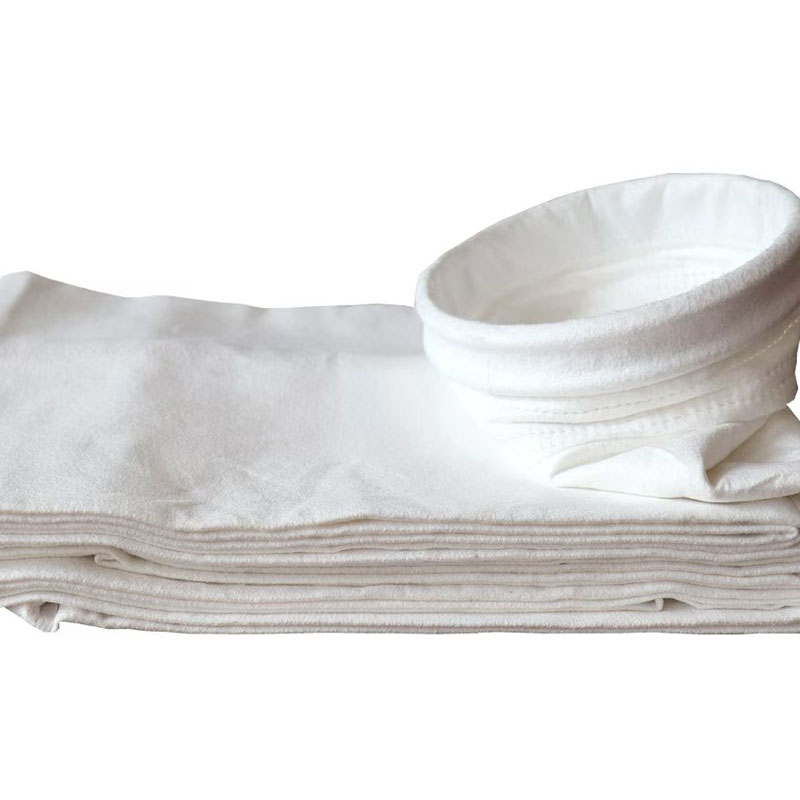
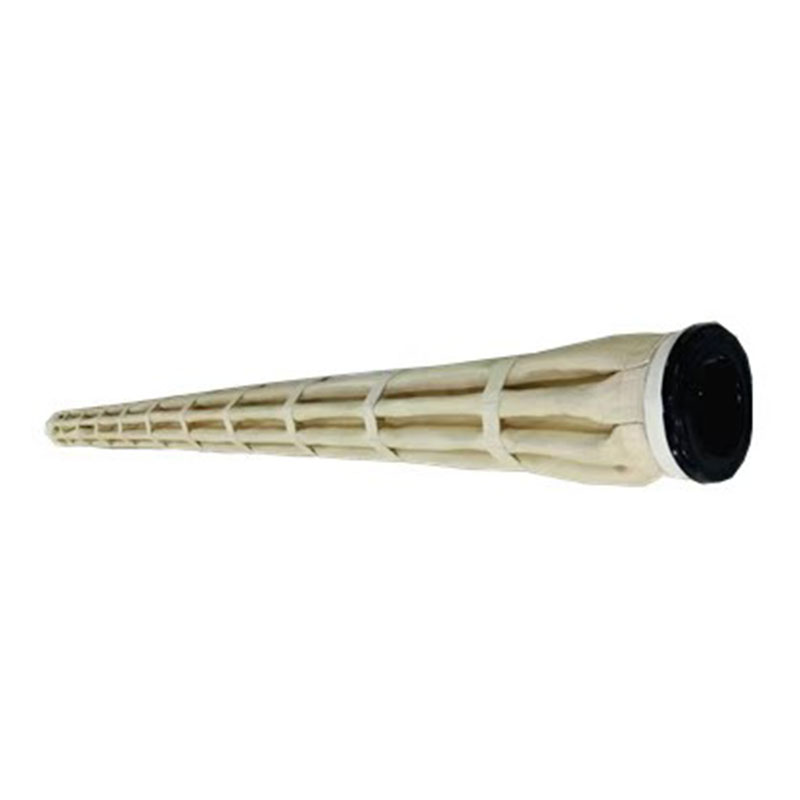
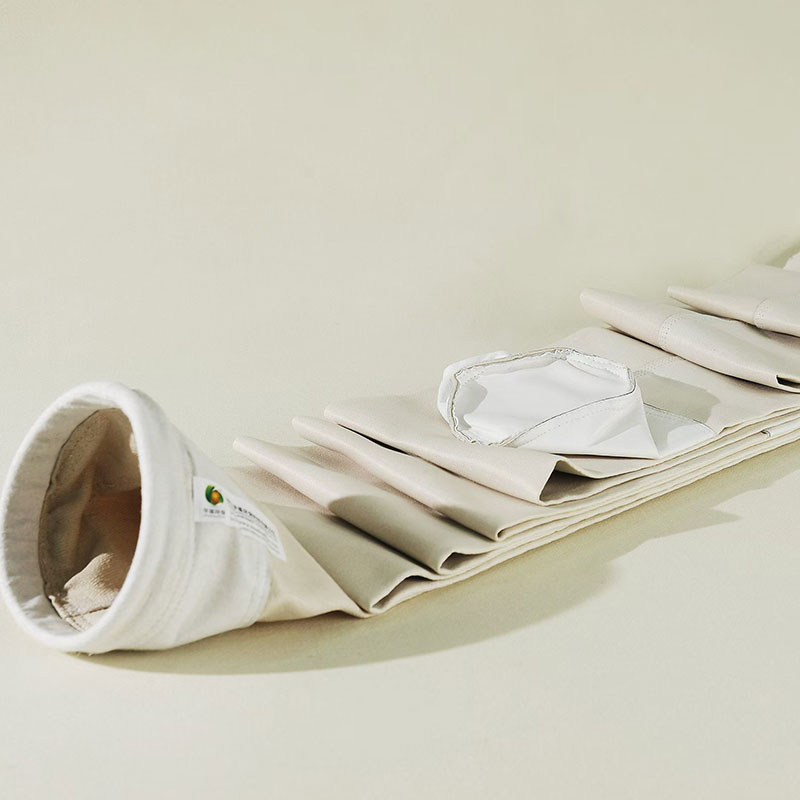
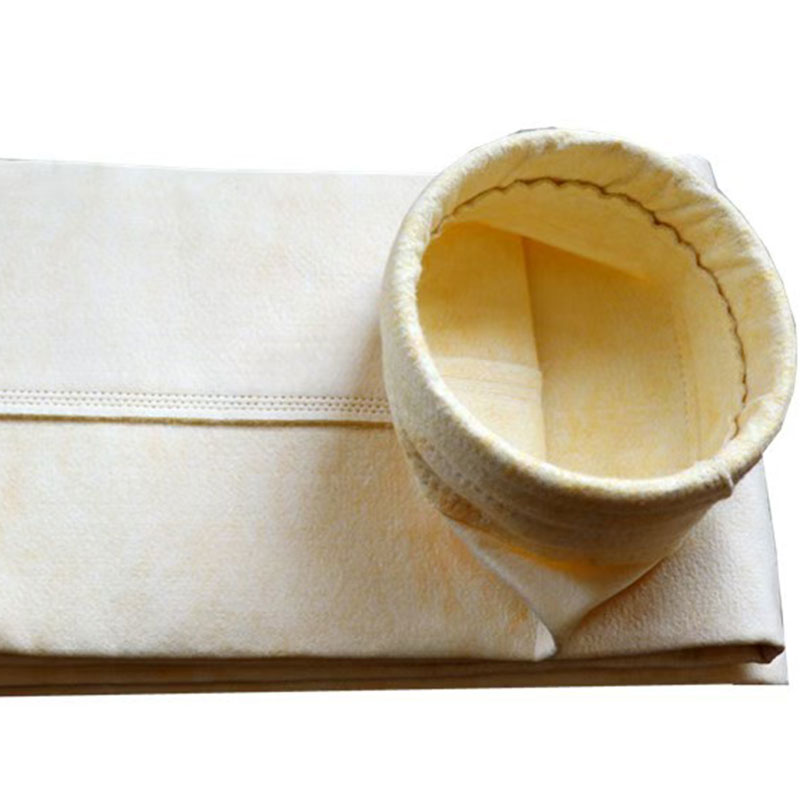
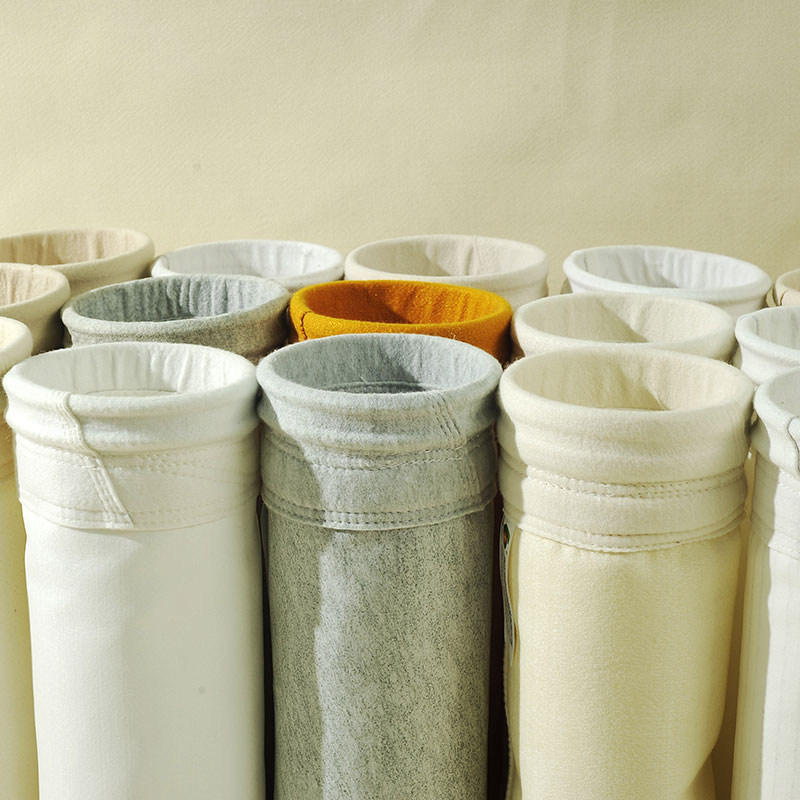
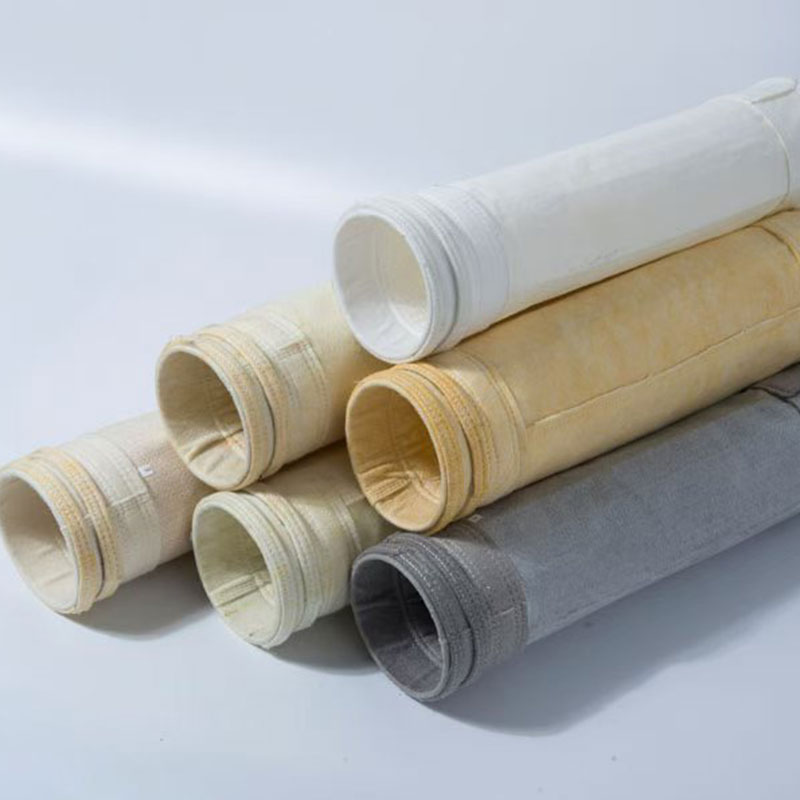
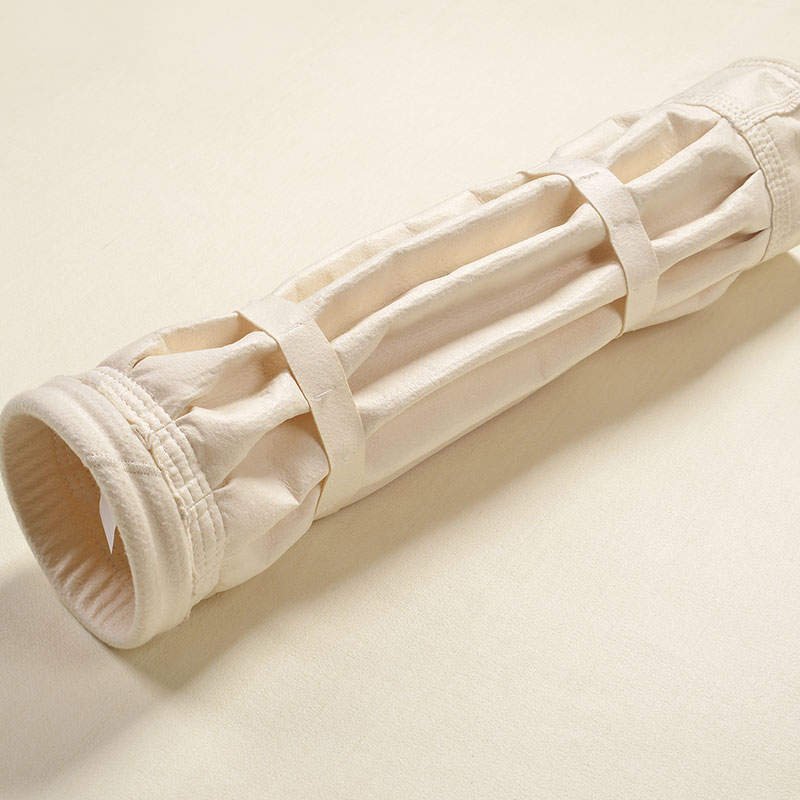
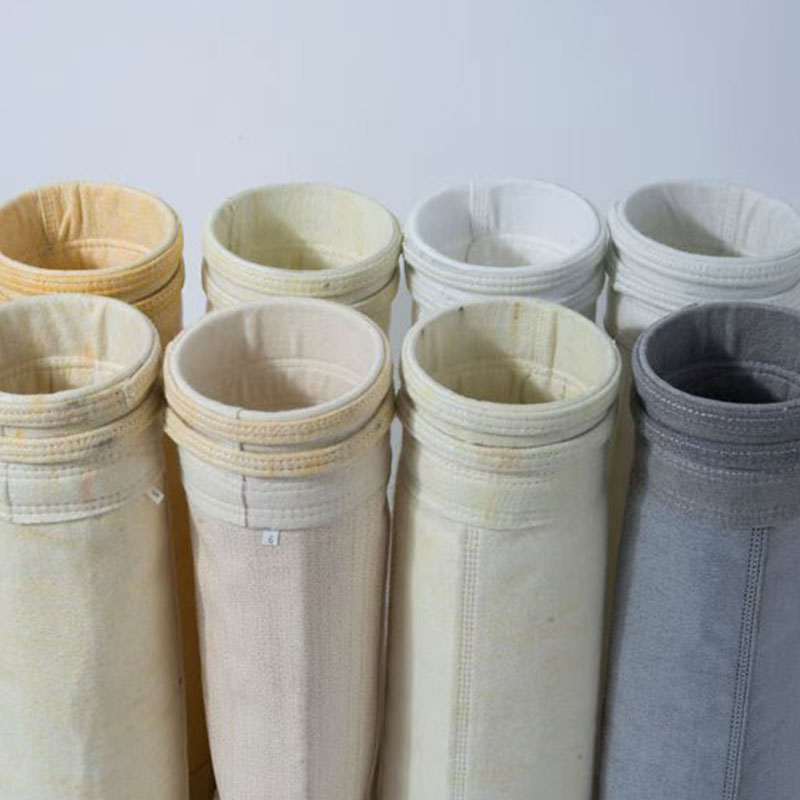
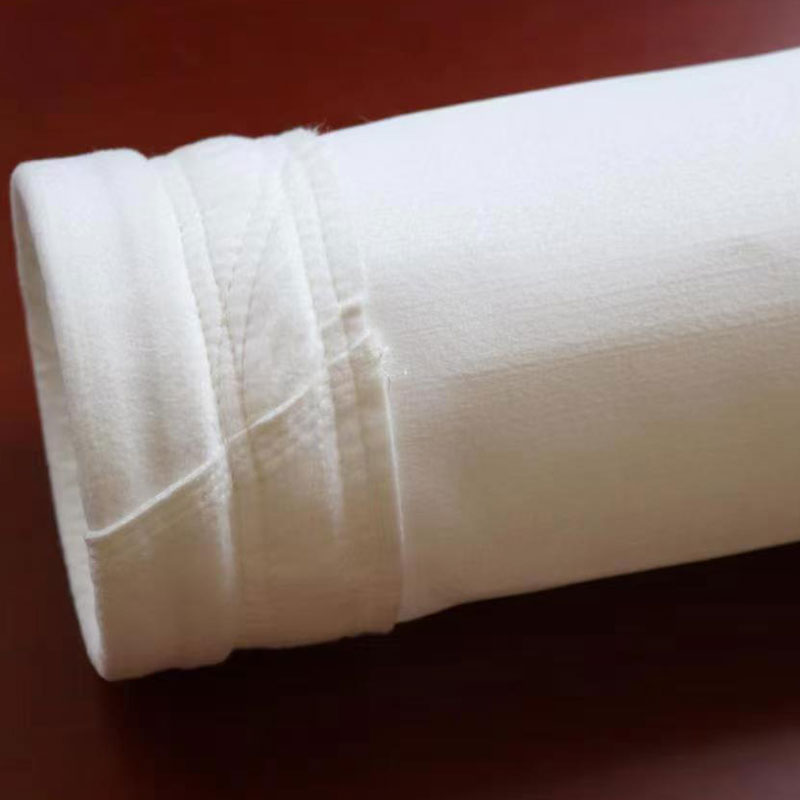
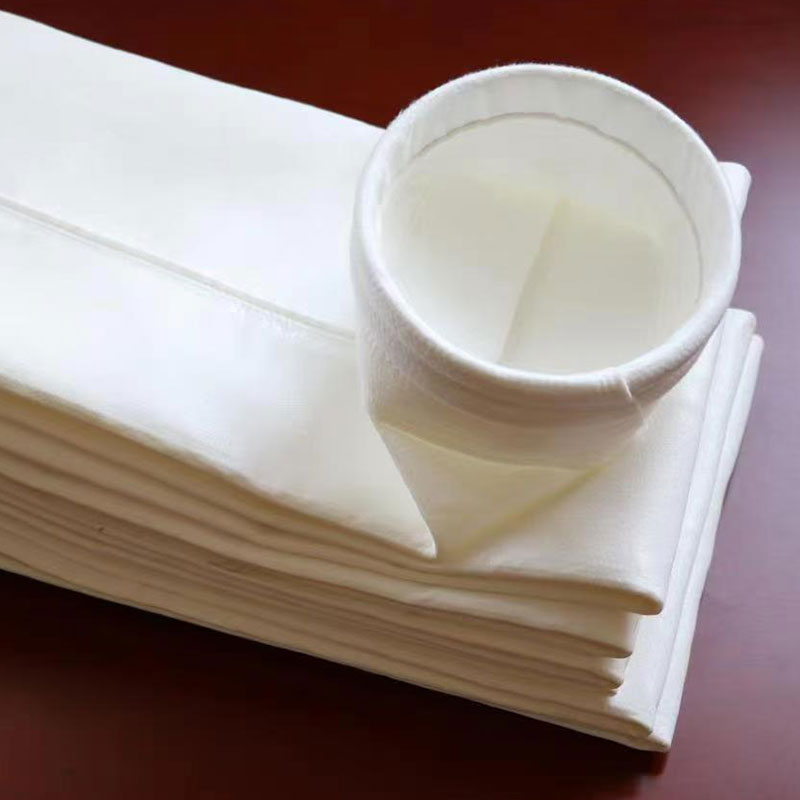
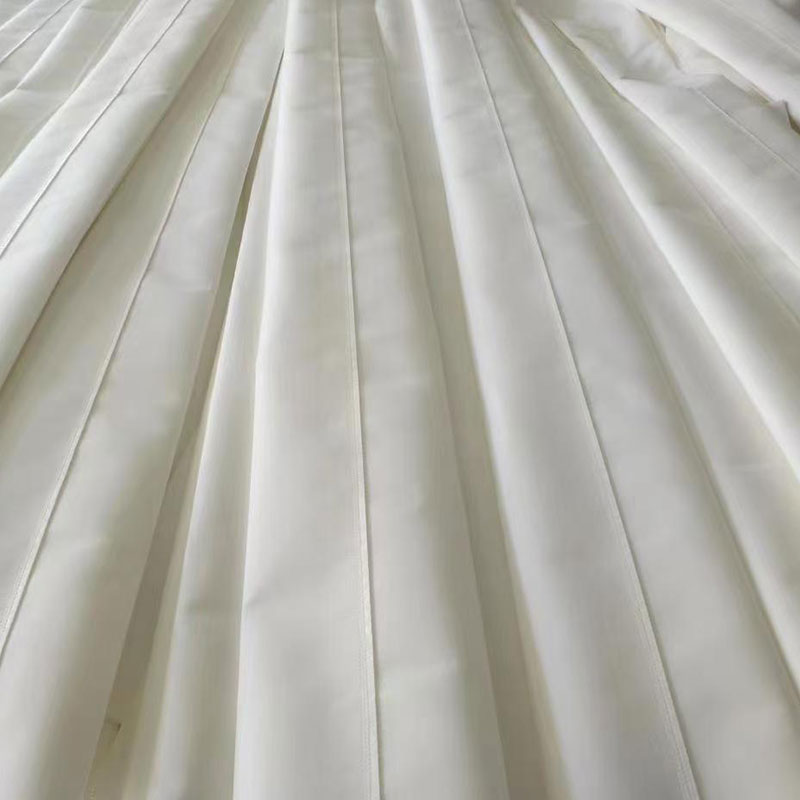
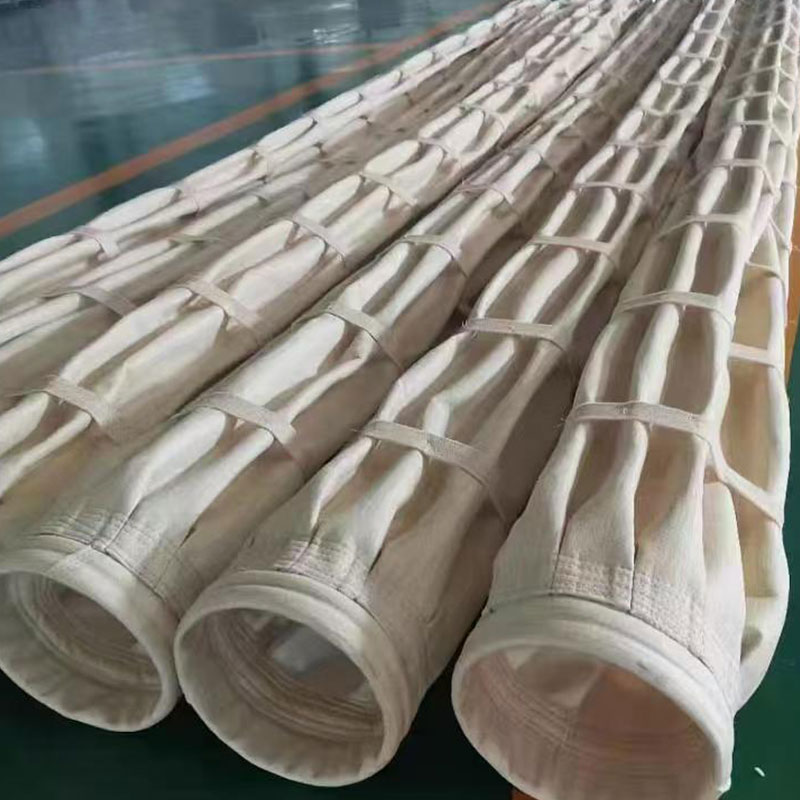
Beg Habuk
HUBUNGI KAMI


BERITA & ACARA
-
Komposisi Gas Serombong Ketuhar Coke: Panduan Dipacu Data untuk Kawalan Pelepasan
Ujian tindanan untuk bateri kok kembali 11.4% CO2 dan 2.8% O2 secara kering, tetapi sistem rawatan gas serombong direka sekitar 9.0% CO2 dan 4.5% O2. Suapan reagen kini perlu diubah saiz dan volum pemangkin SCR meningkat, menambah minggu gangguan. Ini adalah kos untuk m...
-
Bagaimana Pulse Jet Baghouse Dust Collectors Mencapai Operasi Berterusan dalam Persekitaran Perindustrian yang Menuntut
Sistem pengumpulan habuk industri memainkan peranan penting dalam mengekalkan kualiti udara dan mematuhi peraturan alam sekitar merentas sektor pembuatan. Di antara teknologi yang ada, pengumpul habuk jet nadi baghouse telah menyediakan pilihan untuk aplikasi volum ting...
-
Cara Penyental Penyahsulfuran Gas Serombong Basah Mengawal Pelepasan SO₂ Perindustrian: Teknologi, Kecekapan dan Pemilihan
Apa Itu Scrubber FGD Basah? A penyental basah direka untuk penyahsulfuran gas serombong (FGD) ialah peralatan industri yang menghilangkan sulfur dioksida (SO2) dan bahan pencemar berbahaya lain daripada aliran gas ekzos sebelum memasuki atmosfera. Sistem in...
Alat ganti PENGETAHUAN INDUSTRI
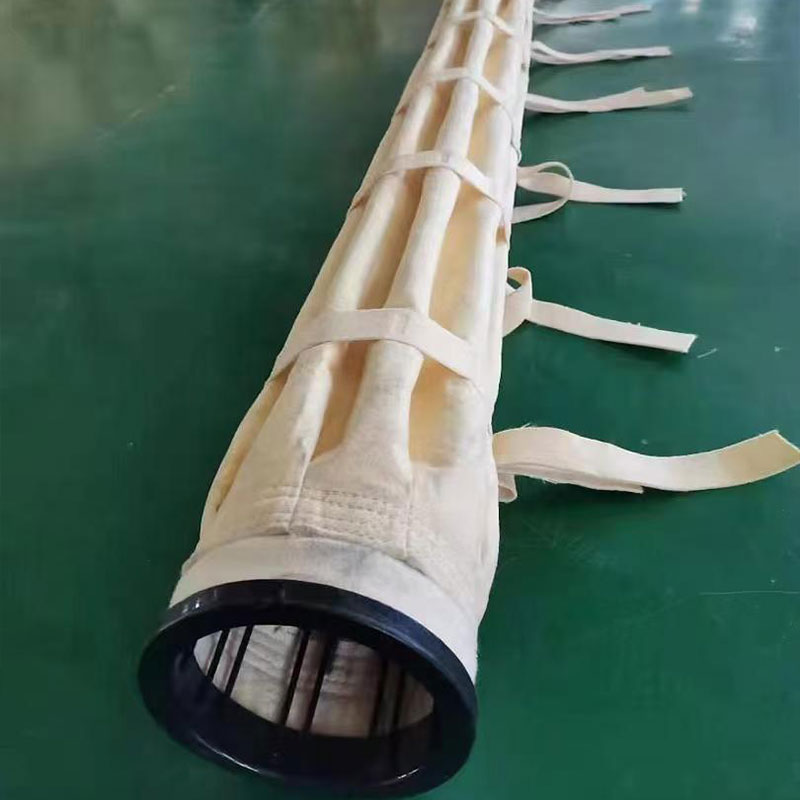
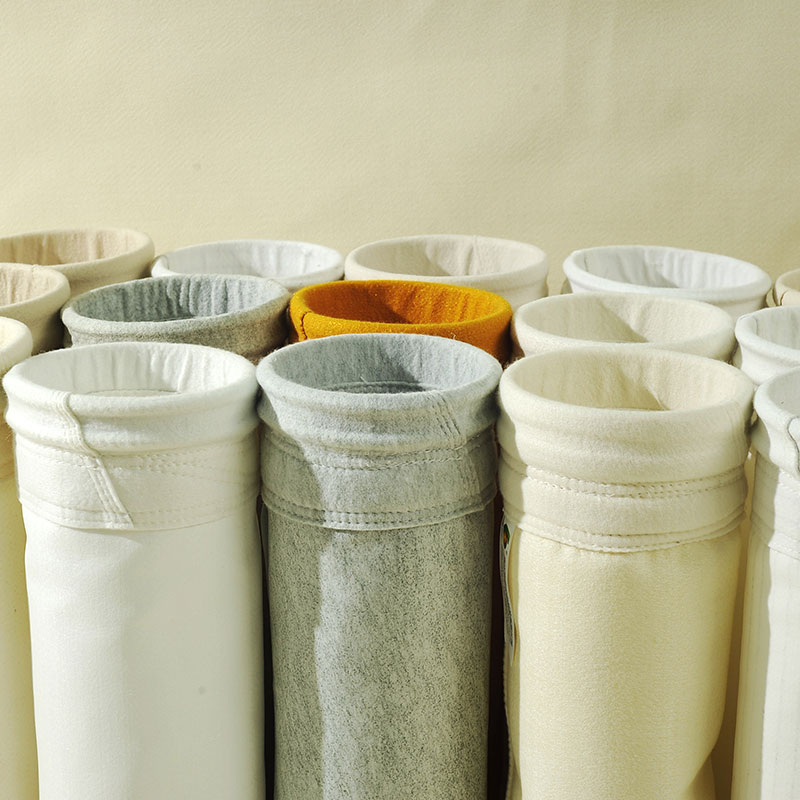
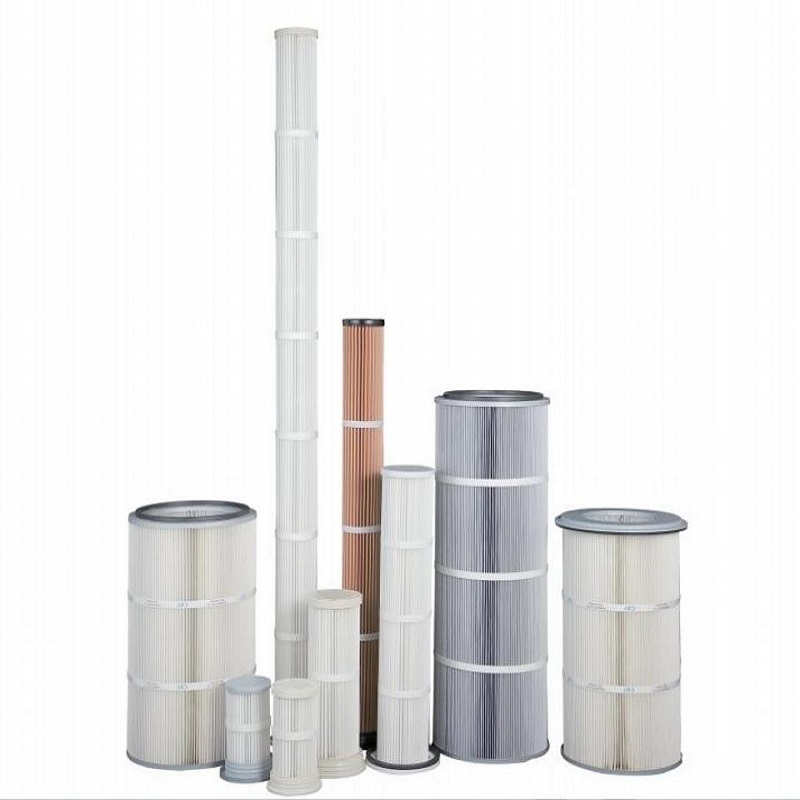
Apakah perbezaan antara beg penapis habuk tenunan dan bukan tenunan?
1. Pengenalan Beg Penapis Habuk dalam Penapisan Industri
- Definisi dan peranan beg penapis habuk dalam sistem kawalan pencemaran udara.
- Gambaran keseluruhan aplikasi industri (keluli, simen, farmaseutikal, dll.), sejajar dengan kepakaran Anhui Tiankang dalam sistem penyingkiran habuk untuk sektatau seperti pembuatan keluli, faundri, dan rawatan VOC.
- Kepentingan pemilihan bahan (tenunan vs bukan tenunan) untuk kecekapan dan pematuhan piawaian alam sekitar.
2. Beg Penapis Habuk Tenunan: Struktur dan Aplikasi
- Komposisi Bahan : Jenis benang (cth., poliester, PTFE), teknik tenunan (plain, anyaman kepar), dan rawatan permukaan (cth., calendering).
- Ciri-ciri Prestasi :
- Kekuatan mekanikal yang tinggi dan rintangan suhu.
- Sesuai untuk industri beban berat (cth., industri keluli pensinteran, tudung penoreh relau letupan).
- Had : Pengekalan zarah halus yang lebih rendah berbanding alternatif bukan tenunan.
3. Beg Penapis Habuk Bukan Tenunan: Teknologi dan Kelebihan
- Proses Pengilangan : Kaedah menumbuk jarum, meltblown, atau spunbond.
- Sifat Utama :
- Kecekapan penapisan yang unggul untuk zarah submikron (penting untuk farmaseutikal or industri simen ).
- Fleksibiliti dalam adunan bahan (cth., gentian hibrid untuk persekitaran yang menghakis seperti peleburan bukan ferus ).
- Tukar ganti : Mengurangkan ketahanan dalam keadaan melelas yang tinggi.
4. Analisis Perbandingan: Tenunan vs Bukan Tenunan
(Gunakan jadual ringkas untuk kejelasan, jika perlu)
| Parameter | Beg Penapis Habuk Tenunan | Beg Penapis Habuk Bukan Tenunan |
|---|---|---|
| Kecekapan Penapisan | Sederhana (10–50 µm) | Tinggi (<5 µm) |
| Julat Suhu | Sehingga 280°C (PTFE) | Biasanya ≤150°C (berbeza mengikut bahan) |
| Kes Penggunaan Utama | Beban habuk berat (cth., rawatan sanga keluli ) | Zarah halus (cth., sistem VOC ) |
5. Kriteria Pemilihan untuk Senario Perindustrian
- Faktor yang mempengaruhi pilihan:
- Saiz zarah habuk (dipautkan kepada Anhui Tiankang reka bentuk tudung yang disesuaikan untuk relau elektrik atau penukar).
- Rintangan kimia (cth., gas serombong berasid masuk menara desulfurisasi ).
- Jangka hayat operasi dan penyelenggaraan (mis., peralatan penghantar abu keserasian).
- Penekanan kepada Diperakui ISO ujian dan teknologi yang dipatenkan untuk prestasi optimum.
6. Inovasi dan Trend Masa Depan
-
Kemajuan dalam bahan hibrid (cth., beg tenunan bersalut PTFE) untuk denitrifikasi gas serombong .
-
Peranan daripada sistem kualiti rantaian penuh (R&D hingga penghantaran) dalam meningkatkan ketahanan.
-
Ringkasan perbezaan tenunan/bukan tenunan.
-
Pengulangan beg penapis habuk sebagai komponen kritikal dalam projek alam sekitar turnkey , disokong oleh kepakaran kejuruteraan seperti Anhui Tiankang penyelesaian bersepadu .
PERTANYAAN

Perusahaan berteknologi tinggi khusus untuk perlindungan dan tadbir urus alam sekitar


PAUTAN CEPAT
MAKLUMAT HUBUNGI
- Tel: +86-0510-88766689
- Whatsapp: +86-18115232326
- E-mel: [email protected]
- Add: Zon Perindustrian Perbandaran Chengbei, Daerah Jin'an, Lu'an City, Wilayah Anhui, China

